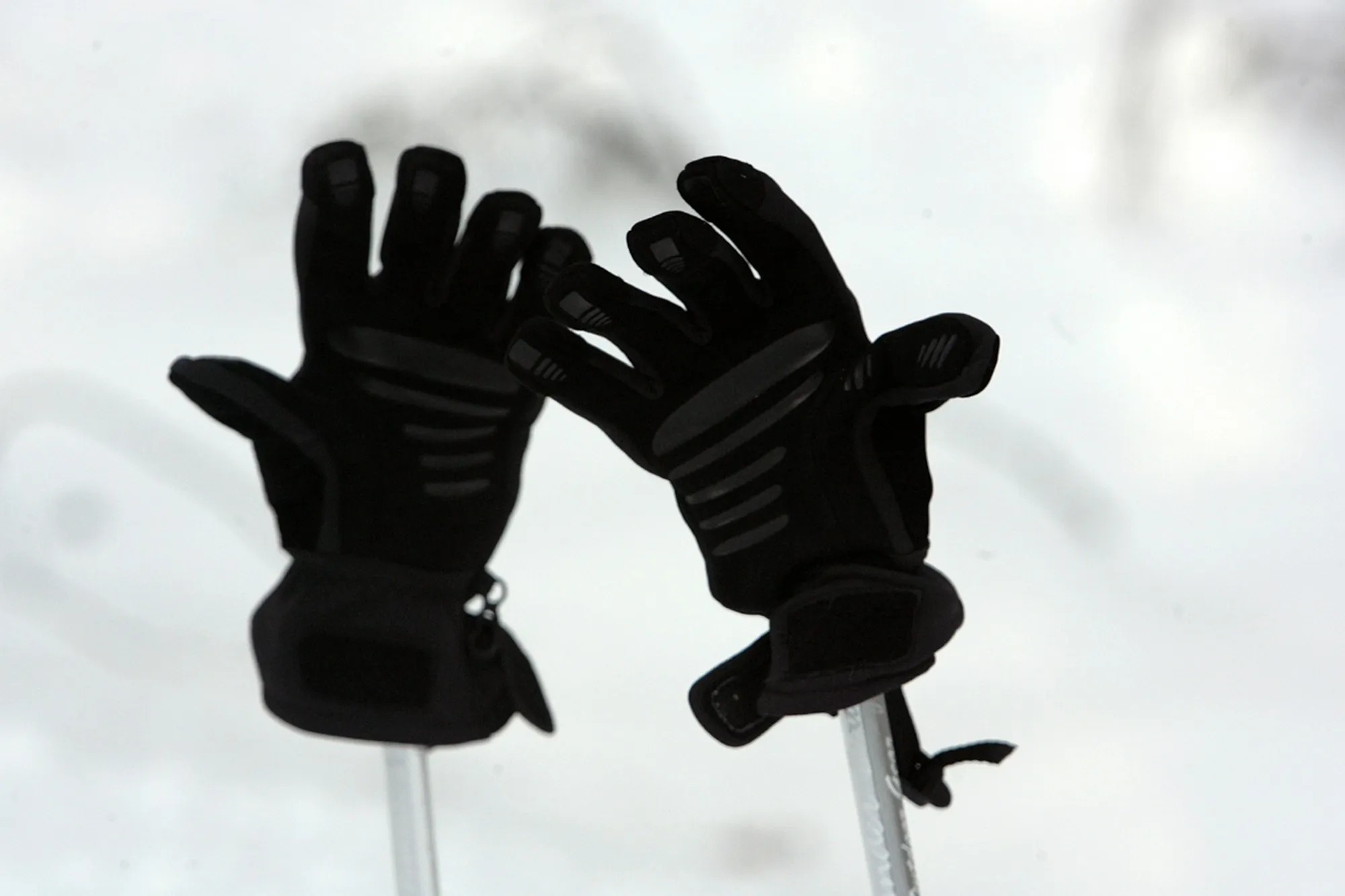
Ski gloves take a beating: sweat on the inside, snow and salt on the outside, and a full season of being stuffed into a pocket damp. Cleaning them is worth doing, but the wrong method wrecks a good pair faster than the dirt ever would. A hot machine wash and a tumble dry will clump the insulation, crack the leather, or peel the waterproof membrane off the lining. The right method depends on what your gloves are made of, and it is gentler and slower than most people expect.
This guide covers the three constructions you are likely to own (leather, synthetic insulated, and GORE-TEX or similar membrane gloves), plus liners, drying, and when a glove is past saving. The short version: clean rarely, clean gently by hand, never use the dryer, and re-waterproof afterward.
When to wash, and when not to
Most gloves get washed too often. Washing is hard on technical materials, and leather in particular dries out a little every time it gets soaked, so the goal is to wash as seldom as the gloves will allow.
Two steps come before a full wash. The first is the spot-clean: wipe dirt, salt, and grime off with a damp cloth, which is often all a glove needs. The second is the smell fix. Gloves that are funky but not dirty do not need washing at all. Sprinkle a little baking soda or cornstarch inside each one, leave it overnight to absorb the odor and moisture, then shake it out. Save the full wash for gloves that are soiled, and plan on one thorough end-of-season clean before you put them away for the summer.
Before you start
A few minutes of prep prevents most of the damage people do to gloves in the wash. Empty anything out of the cuffs and pockets. Brush off dried salt and grit, because rubbing those into wet leather or fabric is abrasive. Check the manufacturer’s care tag or website for anything specific to your pair. And pull out the liners if they are removable, both so they dry faster and because liners and shells often want different cleaning.
For heated gloves, remove the batteries and power packs before any cleaning, keep the electrical connectors dry, and follow the maker’s electronics-specific care instructions.
One thing not to do: do not turn the whole glove inside out. It stresses the seams and the bond between the layers. If you need to clean the inside, turn only the palm or cuff enough to reach it.
The general method
For every type of glove except bare leather, hand washing beats the machine. By hand you can work the fabric where it needs it without subjecting the seams and insulation to continuous tumbling and a high-speed spin.
The most useful trick is to wash the gloves while wearing them. Put them on, then work them in lukewarm water so you can scrub the fingers, palms, and cuffs the way they get dirty, flexing each finger as you go. Use a small amount of mild detergent, an infant detergent, or a technical wash such as Nikwax Tech Wash. Skip regular heavy detergents, which leave residue.
Across every glove type, avoid bleach, fabric softener, dry cleaning, and harsh solvents, all of which break down insulation, coatings, and leather. And never wring or twist a wet glove to squeeze the water out; press it gently between your hands or in a towel instead. Wringing distorts the insulation and pops stitching.
Leather gloves
Leather is the construction that punishes mistakes hardest, and the rule is simple: leather gloves never go in a washing machine. According to Hestra, one of the established leather ski-glove makers, you clean leather by hand with a damp cloth and a mild, high-fat soap rubbed gently into the leather, and you wash it as little as possible because water dries the leather out and shortens its life. Saddle soap works for the same job.
Once the gloves are clean, condition them so they do not dry stiff, applying the product per its own directions rather than a fixed rule. Some treatments, such as Nikwax Waterproofing Wax for Leather, can go on dry or damp leather, while Hestra recommends reconditioning its leather gloves once they are completely dry. A leather conditioner, balm, or waterproofing wax restores suppleness and water repellency. Work it in, let it absorb, and reshape the gloves on your hands as they dry. Heavier beeswax products such as Sno-Seal or Otter Wax also waterproof leather, but they can stiffen supple glove leather, so they suit boots better than thin glove hide.
Match the product to the leather, because conditioners are not interchangeable. Hestra’s Leather Balm is meant for goat and cowhide sport and ski gloves; it should not go on deerskin, elk, or other fine leathers, which do not absorb it well and can turn sticky and mottled. For those finer leathers Hestra makes a separate Leather Lotion, suitable for goatskin, cowhide, deerskin, elk, and nappa. Check what your gloves are made of, then pick the conditioner built for it.
Suede and nubuck gloves are a different case again: do not wash or soak them at all. Spot-treat them sparingly, and only with the suede-specific product and method the glove maker recommends.
Synthetic insulated gloves
Most resort gloves are synthetic-insulated with a nylon or polyester shell, and they are the most forgiving to clean. Hand wash them in lukewarm water with a mild soap, working the dirt out gently. Give them a gentle squeeze to move water through the insulation, but never wring them. Rinse until the water runs clear of soap, press the water out in a towel, and air dry away from heat. If a pair is machine washable per its tag, use a cold, gentle cycle, but hand washing is still kinder to the insulation.
GORE-TEX and membrane gloves
Gloves built around a waterproof, breathable membrane (GORE-TEX is the common one, with an outer shell, the membrane, and an inner lining) are cleaned the same gentle way as synthetic gloves: hand wash, lukewarm water, mild soap, no wringing, air dry. The extra step is the waterproofing. The outer fabric carries a durable water repellent (DWR) finish that makes water bead up and roll off, and washing slowly strips it.
Restore it after cleaning with a glove-safe reproofing treatment. Nikwax Glove Proof is made specifically for gloves, including those with waterproof breathable membranes and mixed materials, and goes on with a sponge applicator. Granger’s Performance Repel Plus is a spray-on reproofing alternative. Follow the glove maker’s care label before using any wash-in treatment, then let the gloves air dry. The DWR sits on the outer fabric and does not affect the membrane underneath, and re-treating when water stops beading keeps the gloves shedding snow instead of soaking it up.
Liners
Removable liners are usually the easiest part. Most synthetic liners are machine washable on a cold, gentle cycle with mild detergent; wash them separately from anything with zippers or hooks that could snag them. Wool liners are the exception: hand wash those and dry them flat, the same as any wool. Always dry liners fully before putting them back inside the shells.
Drying
Drying is where a careful wash gets undone, so it deserves as much attention as the cleaning. Air-drying is the safer default for almost all ski gloves. Some shell-only gloves allow low-heat tumble drying per the maker’s care label, but check first and never assume; leather, insulated, and mixed-construction gloves air-dry only. The reason for the caution is that dryer heat melts and clumps insulation, cracks and shrinks leather, and can delaminate a waterproof membrane from its lining. The same goes for the shortcuts people reach for, like a radiator, a heater vent, a wood stove, or a sunny windowsill. Direct heat and direct sun do that damage too, just more slowly.
Air dry at room temperature with the fingers pointing up and the cuff opening down, so moisture can drain away from the fingertips and out through the wrist opening. A glove drying rack does this well, but a few clothespins on a line work too. Expect it to take a while: 24 to 48 hours is normal, and thick mittens take longer. While leather gloves dry, put them on a few times and flex them so they keep their shape and stay supple. Make sure gloves and liners are completely dry before you store them; a damp glove sealed away for the summer grows mildew and odor.
Repair or replace
Cleaning extends a glove’s life, but not forever. A few guidelines on when to stop. A hole or worn patch in leather can often be repaired or re-stitched, and conditioning will revive leather that has only dried out. Lost waterproofing on a synthetic or membrane glove can sometimes be restored with a DWR re-treatment, though a finish that no longer takes at all is a sign the fabric is worn through. A delaminated membrane, where the waterproof layer has separated and bubbled away from the shell, cannot be fixed; that glove has reached the end of its waterproof life. If the insulation has packed down flat and no longer lofts after washing and drying, the warmth is gone too.
Frequently asked questions
How often should I wash ski gloves?
Less often than most people think. For normal recreational use, a spot-clean with a damp cloth when they get dirty and one thorough cleaning at the end of the season is plenty. Washing leather gloves frequently dries the leather out and shortens their life, so only do a full wash when they need it.
Can I put ski gloves in the washing machine?
Leather gloves should never go in the machine. Synthetic insulated and GORE-TEX membrane gloves tolerate it better, but hand washing is gentler and lets you work the fabric without the tumbling and spin that stress seams and insulation. Most separate liners are machine washable on a cold, gentle cycle. When in doubt, hand wash.
Can I put ski gloves in the dryer?
No. Machine-dryer heat melts and clumps insulation, dries out and cracks leather, and can delaminate waterproof membranes. Air dry every type of glove, fingers up, away from radiators, heaters, and direct sun, which do the same kind of heat damage more slowly.
How do I get the smell out of ski gloves without washing them?
Sprinkle a little baking soda or cornstarch inside each glove, leave it overnight, then shake it out. It absorbs odor and moisture without the wear that washing puts on the materials. This handles the common smelly-but-not-dirty case and saves a full wash.
How do I re-waterproof ski gloves after washing?
It depends on the material. For leather, work in the conditioner matched to your leather type (Hestra’s Leather Balm for goat and cowhide sport gloves, its Leather Lotion for finer leathers like deerskin and elk, or a waterproofing wax such as Nikwax Waterproofing Wax for Leather), following the product’s directions. For GORE-TEX and other membrane gloves, restore the outer water-repellent finish with a glove-specific reproofer such as Nikwax Glove Proof, or a spray-on like Granger’s Performance Repel Plus, then let them air dry.
The short version
Clean ski gloves rarely and gently. Spot-clean with a damp cloth, fix smell with baking soda, and save a full hand wash for when they are dirty or for the end of the season. Match the method to the material: leather gets a damp cloth, mild soap, and conditioning, never the machine; synthetic and membrane gloves get a gentle hand wash, and membrane gloves get their DWR restored afterward. Then dry them slowly, fingers up, away from all heat, and put them away only once they are bone dry.
For the rest of the kit, the ski gear guides cover what goes on your hands, eyes, and back, the layering pieces cover what goes under your shell, and caring for winter gear applies the same clean-it-right logic to the rest of your winter wardrobe.
Product names and care guidance in this guide were verified against current Nikwax, Hestra, and Granger’s information in June 2026. Formulations and product lines change; confirm a product’s current use and your glove maker’s care instructions before you rely on them. If you find an error in this guide, please email [email protected].