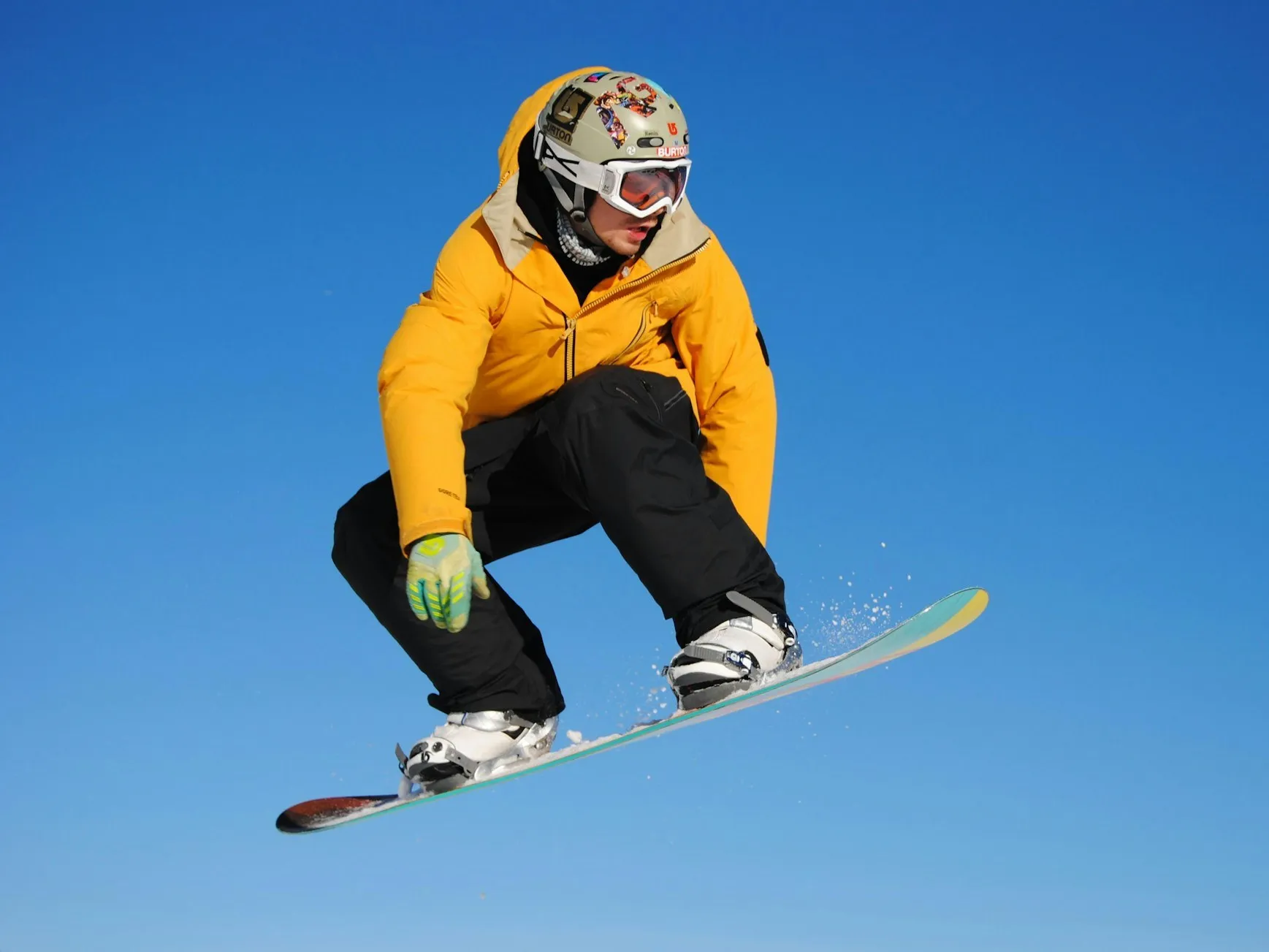
A snowboard jacket is not just a ski jacket with a different logo. The cut is built around how a snowboarder moves and, more to the point, how much time a snowboarder spends sitting in the snow: a drop tail that hangs lower in back to cover you while you strap in, a longer and roomier body for movement, a hood sized to fit over a helmet, and cuffs and a hem that resist riding up when you fall. The waterproofing technology is shared with skiing, but those fit-and-function details are what make a jacket snowboard-built rather than relabeled.
The other snowboard-specific reality is insulation: because riders sit in snow so much, the jackets that come insulated tend to use synthetic fill rather than down, since synthetic holds its warmth when damp. The six picks below sort by how you ride, from a do-everything shell to a deep-backcountry touring layer, with the snowboard construction called out on each.
How these snowboard jackets were chosen
Selection looked for genuine snowboard construction, real waterproofing, and a clear use case, across the brands that make snowboard outerwear. Each pick is a current model, and waterproofing ratings, insulation type, membrane, and US prices were checked against each brand’s product page and major retailers in June 2026. A few models the older guides listed are discontinued, and those were dropped for current equivalents. Prices move, so treat the figures as a snapshot.
This guide is spec-based, not field-tested. Recommendations come from published construction, waterproofing, and the riding use case each jacket fits.
The six snowboard jackets at a glance
| Jacket | Award | Type | Waterproofing | Snowboard features | US price |
|---|---|---|---|---|---|
| Burton ak Cyclic | Best Overall | Shell | GORE-TEX 2L, fully taped | Helmet hood, pit zips, powder skirt, jacket-to-pant | $484.95 MSRP / sale ~$291 |
| Burton Covert 2.0 | Best Value | Insulated, 80g synthetic | DRYRIDE 2L, 10K | Drop tail, helmet hood, waist gaiter | ~$270 |
| Volcom L Insulated GORE-TEX | Best Insulated | Insulated, synthetic | GORE-TEX 2L, fully taped | Powder skirt, jacket-to-pant zip | $420 MSRP |
| Patagonia PowSlayer | Best Premium Shell | Shell | GORE-TEX Pro 3L | Powder gasket, helmet hood | $799 MSRP |
| Airblaster Freedom Pullover | Best for Park | Shell anorak | 2L, 10K | Baggy fit, drop tail, powder skirt | $229.95 MSRP |
| Norrona Lofoten GORE-TEX | Best Backcountry | Shell | GORE-TEX 3L, 28K | Zip-off powder skirt, drop tail | $599 MSRP |
Prices verified June 2026 and rounded. Insulated picks use synthetic fill, the snowboard standard for sitting in snow.
Burton ak Cyclic GORE-TEX
Best Overall
Burton effectively defines snowboard outerwear, and the [ak] Cyclic is its do-everything shell. It pairs a fully taped GORE-TEX 2L membrane with the features a rider uses: a StormForm hood built to fit over a helmet, pit zips to dump heat on the bootpack, a zip-out powder skirt with jacket-to-pant snaps, a sleeve pass pocket, and a hip-length cut that works resort to sidecountry. As a shell it has no built-in insulation, so you set your warmth with layers underneath, which makes it versatile across the season. At $484.95, often discounted, it is not cheap, but it is a genuine GORE-TEX shell from the category’s defining brand, and it is the one jacket here that handles the widest range of riding without a glaring gap.
Strengths
- GORE-TEX 2L, fully taped seams
- Helmet hood, pit zips, powder skirt, jacket-to-pant
- Versatile shell, layer for any temperature
Tradeoffs
- No insulation, so you must layer
- Premium price
- 2L is slightly less breathable than 3L for touring
- Insulation
- None (shell)
- Waterproofing
- Fully taped (no published mm)
- Fit
- Hip length, helmet hood
- Material
- GORE-TEX 2L
- Price
- $484.95 MSRP / sale ~$291
Best as a one-jacket-does-most shell. Skip it if you want built-in warmth or the lightest touring layer.
Burton Covert 2.0
Best Value
The Covert 2.0 is the value pick because it gives you warmth and the core snowboard features for around $270. It uses 80 grams of synthetic ThermacoreECO insulation behind Burton’s DRYRIDE 10K membrane, with a removable waist gaiter, a hood built for a helmet, and a longer back hem (the drop tail) to keep snow off your lower back when you sit. The 10K rating handles average resort days rather than the wettest storms, and the insulation is fixed rather than layered, but for a new or budget-minded rider who wants a warm, snowboard-built jacket without overspending, it covers the essentials well.
Strengths
- Warm 80g synthetic insulation at a low price
- Drop tail, helmet hood, waist gaiter
- Connects to Burton pants
Tradeoffs
- 10K waterproofing is average, not storm-grade
- Fixed insulation, less versatile than a shell
- Less breathable for high-output days
- Insulation
- 80 g ThermacoreECO synthetic
- Waterproofing
- 10K
- Fit
- Drop tail, helmet hood
- Material
- DRYRIDE 2L
- Price
- ~$270
Best for new or budget-minded riders who want built-in warmth. Skip it if you ride a lot of wet storms or prefer to layer.
Volcom L Insulated GORE-TEX
Best Insulated
When you want real warmth and real waterproofing together, the Volcom L Insulated GORE-TEX is the pick. It combines synthetic insulation (80 grams in the body, 60 in the sleeves) with a fully taped GORE-TEX 2L membrane, so it is warm and storm-capable, and the synthetic fill is the right call for a sport that sits in snow because it holds warmth when damp. It includes a powder skirt and Volcom’s Zip Tech to connect to matching pants, sealing the whole system. At $420 MSRP, often discounted, it costs more than a basic insulated jacket, but you are paying for GORE-TEX-grade waterproofing wrapped around the warmth, which the budget insulated jackets do not offer.
Strengths
- Synthetic warmth plus fully taped GORE-TEX
- Powder skirt and jacket-to-pant connection
- Synthetic fill handles sitting in snow
Tradeoffs
- Fixed insulation, less versatile than a shell
- Heavier than a shell or a light insulator
- Pricier than basic insulated jackets
- Insulation
- Synthetic, 80 g body / 60 g sleeves
- Waterproofing
- Fully taped (no published mm)
- Fit
- Powder skirt, jacket-to-pant zip
- Material
- GORE-TEX 2L
- Price
- $420 MSRP
Best for cold, wet resort days when you want warmth and waterproofing in one. Skip it if you run hot or prefer to layer a shell.
Patagonia PowSlayer
Best Premium Shell
For the most weatherproof, hardest-wearing shell here, the PowSlayer is it. It uses 3-layer GORE-TEX Pro, the most durable and breathable GORE-TEX tier, built on an ePE-based, PFAS-free membrane, which makes it both extremely storm-capable and a cleaner piece of gear chemically. It has a helmet-compatible hood, a powder gasket, and pit zips, and the 3L construction breathes better than 2L when you are working hard, which suits long days and big terrain. At around $799 it is the priciest jacket here, and it is a no-insulation shell, but for riders who demand the best weather protection and durability and will layer underneath, nothing else here matches it.
Strengths
- Top-tier 3-layer GORE-TEX Pro, PFAS-free
- Excellent breathability for hard days
- Powder gasket and helmet hood
Tradeoffs
- The most expensive jacket here
- No insulation; layering required
- More shell than a casual resort rider needs
- Insulation
- None (shell)
- Waterproofing
- GORE-TEX Pro (top tier)
- Fit
- Helmet hood, powder gasket
- Material
- 3-layer GORE-TEX Pro (ePE, PFAS-free)
- Price
- $799 MSRP
Best for riders who want the most weatherproof, durable shell and will layer. Skip it if the price is out of range or you want built-in warmth.
Airblaster Freedom Pullover
Best for Park
Airblaster is a rider-owned brand with deep freestyle roots, and the Freedom Pullover is the most park-coded jacket here. It is a baggy anorak (pullover) shell with the loose fit park riders want, a drop tail, a powder skirt with a pass window, and Lycra wrist gaiters to keep snow out during the inevitable falls. The 10K waterproofing handles normal resort and park days rather than deep storms, and the relaxed cut is the whole point: it is built for style and movement in the park, not for technical breathability. At $229.95 MSRP, often discounted and with seasonal availability that varies, it is an affordable way into a genuine snowboard-brand shell with freestyle character.
Strengths
- Baggy, freestyle-tuned fit and anorak styling
- Drop tail, powder skirt, Lycra cuffs
- Affordable, from a core rider-owned brand
Tradeoffs
- 10K waterproofing, not for deep storms
- Pullover means no full-length front zip
- Style-led rather than technical
- Insulation
- None (shell anorak)
- Waterproofing
- 10K
- Fit
- Baggy, drop tail, powder skirt
- Material
- 2L anorak, Lycra cuffs
- Price
- $229.95 MSRP, often discounted
Best for park and freestyle riders who want the look and the fit. Skip it if you need storm-grade waterproofing or a full zip.
Norrona Lofoten GORE-TEX
Best Backcountry
Norrona’s Lofoten line is built for serious mountain riding, and the Lofoten GORE-TEX is the pick for backcountry and big-terrain days. It uses a 28K GORE-TEX 3L membrane with a PFAS-free ePE construction, in an articulated freeride cut that moves with you on the skin track and the descent, with a zip-off powder skirt and a drop tail. The 3L construction breathes well for the climbing that backcountry riding involves, and the build quality is dialed for hard use in real mountains. At $599 MSRP it sits below the PowSlayer while delivering GORE-TEX 3L weather protection and a fit made for touring and freeride.
Strengths
- 28K GORE-TEX 3L, PFAS-free, breathes for touring
- Articulated freeride fit, drop tail
- Zip-off powder skirt for flexibility
Tradeoffs
- Premium price
- No insulation; a layering shell
- More technical than a casual resort rider needs
- Insulation
- None (shell)
- Waterproofing
- 28K
- Fit
- Articulated freeride, drop tail
- Material
- GORE-TEX 3L, PFAS-free ePE
- Price
- $599 MSRP
Best for backcountry and big-mountain riders who want GORE-TEX 3L and a freeride fit. Skip it if you ride mostly mellow resort laps.
How to choose a snowboard jacket
Fit and the snowboard cut
The snowboard-specific cut is the first thing to look for. A drop tail (a back hem that sits lower than the front) keeps snow off your lower back when you sit to strap in, a slightly longer and roomier body allows free movement, and a hood sized for a helmet seals the gap at your neck. Cuffs and a hem that cinch keep snow out when you fall, which you will. A trim, short ski cut will technically work, but it fights the way you sit and move on a board.
Insulated versus shell
Decide whether you want warmth built in or want to control it with layers. An insulated jacket is warmer out of the box and simpler, good for cold resort days and riders who run cold; the warmth is fixed, so it is less adaptable. A shell has no insulation, so you layer underneath, which is more versatile across temperatures and better for high-output and backcountry riding. Many experienced riders prefer a shell plus a swappable mid-layer because it adapts to everything. If you go insulated, look for synthetic fill rather than down, because you will sit in snow.
Waterproofing
The waterproofing number, in thousands of millimeters, tells you how much wet the fabric holds back. Around 10K handles average resort days and light-to-moderate wet, 20K handles heavy snow and wet days, and 28K or a GORE-TEX-class membrane handles the wettest conditions and hard use. GORE-TEX and similar membranes also add breathability and durability. Match the rating to how wet your winters are, since paying for 28K in a dry, cold climate is money you do not need to spend.
Features that matter
A few features earn their place. A powder skirt seals the hem against blowing snow and often connects to matching pants. Pit zips dump heat fast on the climb or a warm day. A helmet-compatible hood, a goggle pocket, and pant-to-jacket connection round out a real snowboard jacket. For the lower half of the kit, the same logic carries over to snowboard pants, where the snowboard-specific construction matters just as much.
Building out the rest of the kit? Best snowboard goggles, 2026 pairs with jackets that vent well without fogging. Best snowboard pants, 2026 covers the pants-over-boots fit. Best snowboard boots, 2026 closes out the setup.
Frequently asked questions
What makes a snowboard jacket different from a ski jacket?
Cut and a few details. Snowboard jackets tend to run longer and looser, with a drop tail (the back hem sits lower than the front) to cover you when you are sitting in the snow strapping in, a roomier fit for movement, a hood sized to go over a helmet, and cuffs and a waist that resist riding up. Ski jackets are often trimmer and shorter. The waterproofing technology is shared; the fit and the sit-in-snow features are what differ.
Should a snowboard jacket be insulated or a shell?
It depends how you ride and layer. An insulated jacket is simpler and warmer out of the box, good for cold resort days and people who run cold. A shell has no built-in insulation, so you control warmth with layers underneath, which is more versatile and better for high-output riding and the backcountry. Many riders prefer a shell plus a swappable mid-layer because it adapts to more conditions.
What do the waterproofing numbers like 10K and 20K mean?
They are the fabric’s water-resistance rating in millimeters, measured by how tall a column of water it can hold back before leaking. Roughly, 10K handles average resort conditions and light-to-moderate wet, 20K handles heavy snow and wet days, and 28K or GORE-TEX-class membranes handle the wettest conditions and hard use. Higher is more waterproof but usually pricier; match the number to how wet your winters are.
Why do snowboarders favor synthetic insulation over down?
Because snowboarders sit in the snow constantly, strapping in, resting, and falling, so the jacket gets wet from the outside and the inside. Down loses most of its warmth when wet and dries slowly, while synthetic insulation keeps much of its warmth when damp and dries faster. For a sport that spends a lot of time in contact with snow, synthetic is the more reliable choice, which is why most snowboard-specific insulated jackets use it.
What is a powder skirt and do I need one?
A powder skirt is an elasticized inner gasket near the hem that cinches around your waist to keep snow from blowing up into the jacket during deep days or after a fall. Many snowboard jackets include one, and many connect to matching pants or bibs so the whole system seals together. If you ride deep snow or fall a lot (everyone does while learning), it is useful; for hardpack resort laps it matters less.
The short version
For one jacket that handles most of the season, the Burton ak Cyclic is the do-everything GORE-TEX shell from the category’s defining brand. If the budget is tight and you want built-in warmth, the Burton Covert 2.0 covers the essentials for around $270.
From there, match it to how you ride: the Volcom L Insulated GORE-TEX for warmth plus waterproofing, the Patagonia PowSlayer for the most weatherproof shell, the Airblaster Freedom Pullover for the park, and the Norrona Lofoten for the backcountry. Pair it with the right snowboard pants, and the rest of the Snowboard Gear section covers the full kit.
Specifications and prices in this guide were verified against current brand information and major US retailers in June 2026. Models, membranes, and prices change; confirm current details on the brand’s product page before buying. If you find an error in this guide, please email [email protected].